Lagoon notebook · Venice
The lagoon is the rest of the city
Glass, paint, a very old basilica, and a sandbar that faces the sea.
The six sestieri are not the whole lagoon. Boats from Fondamente Nove and San Zaccaria make the rest reachable in an afternoon if you pick two islands, not five.
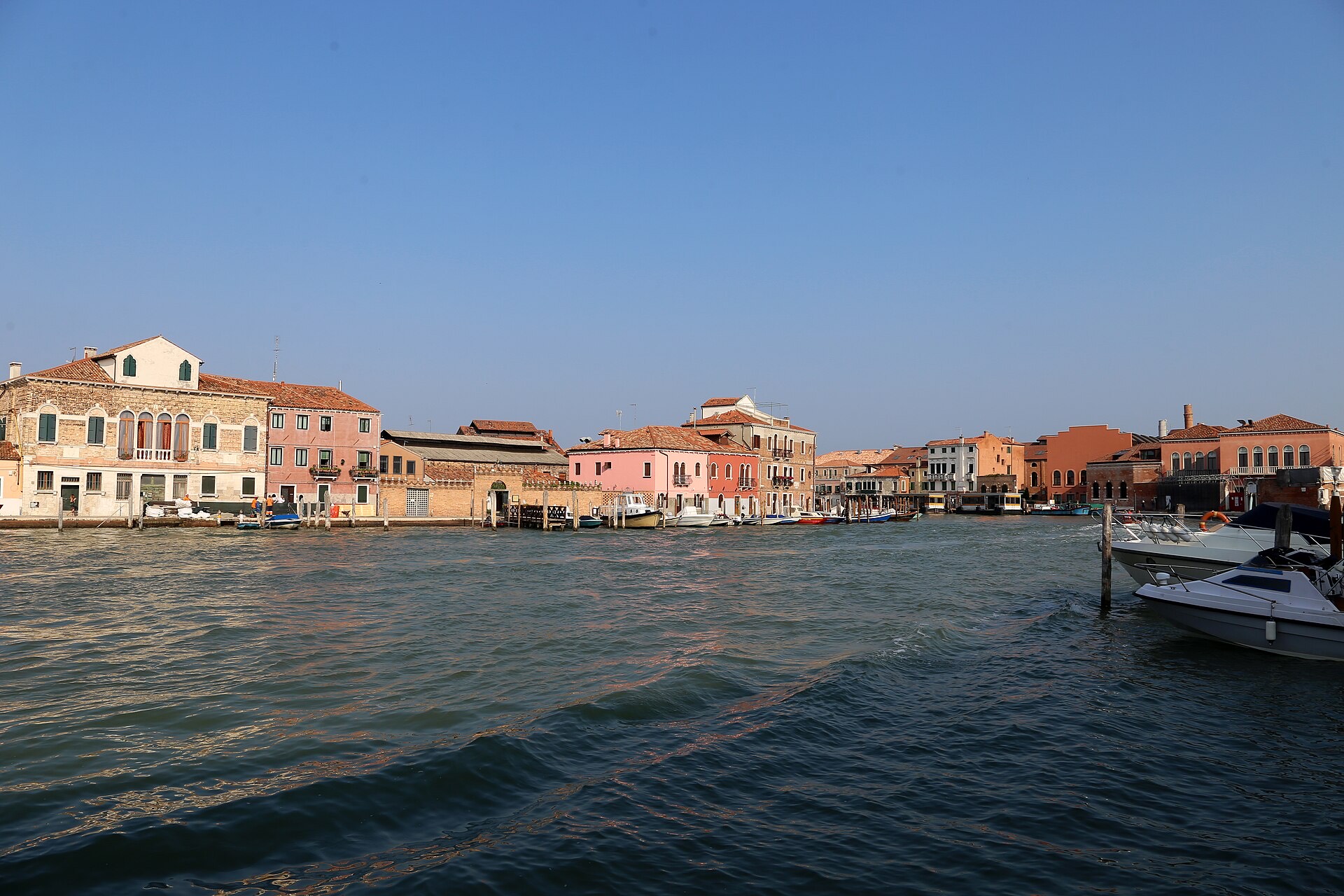
Murano
The Republic moved the furnaces off the main islands in 1291 after too many fires. Murano is still a factory island with canals. The Glass Museum in Palazzo Giustinian gives the history without a sales pitch. Faro and Colonna are the useful boat stops.
Burano
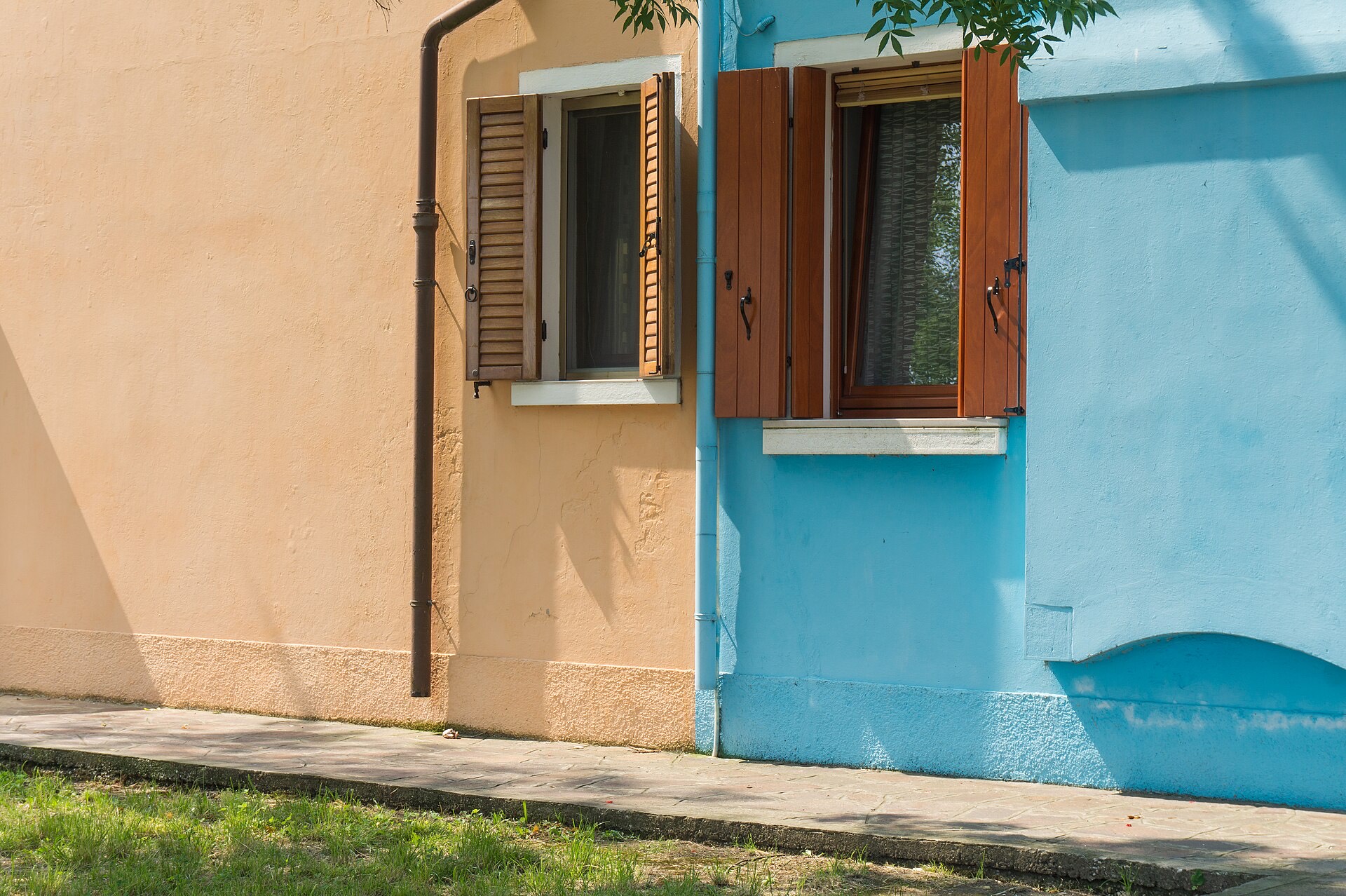
Painted houses, a leaning campanile, lace that is now mostly imported. The colour is real. So is the day-trip crush at lunch. Walk one street off the main rio and the noise drops.
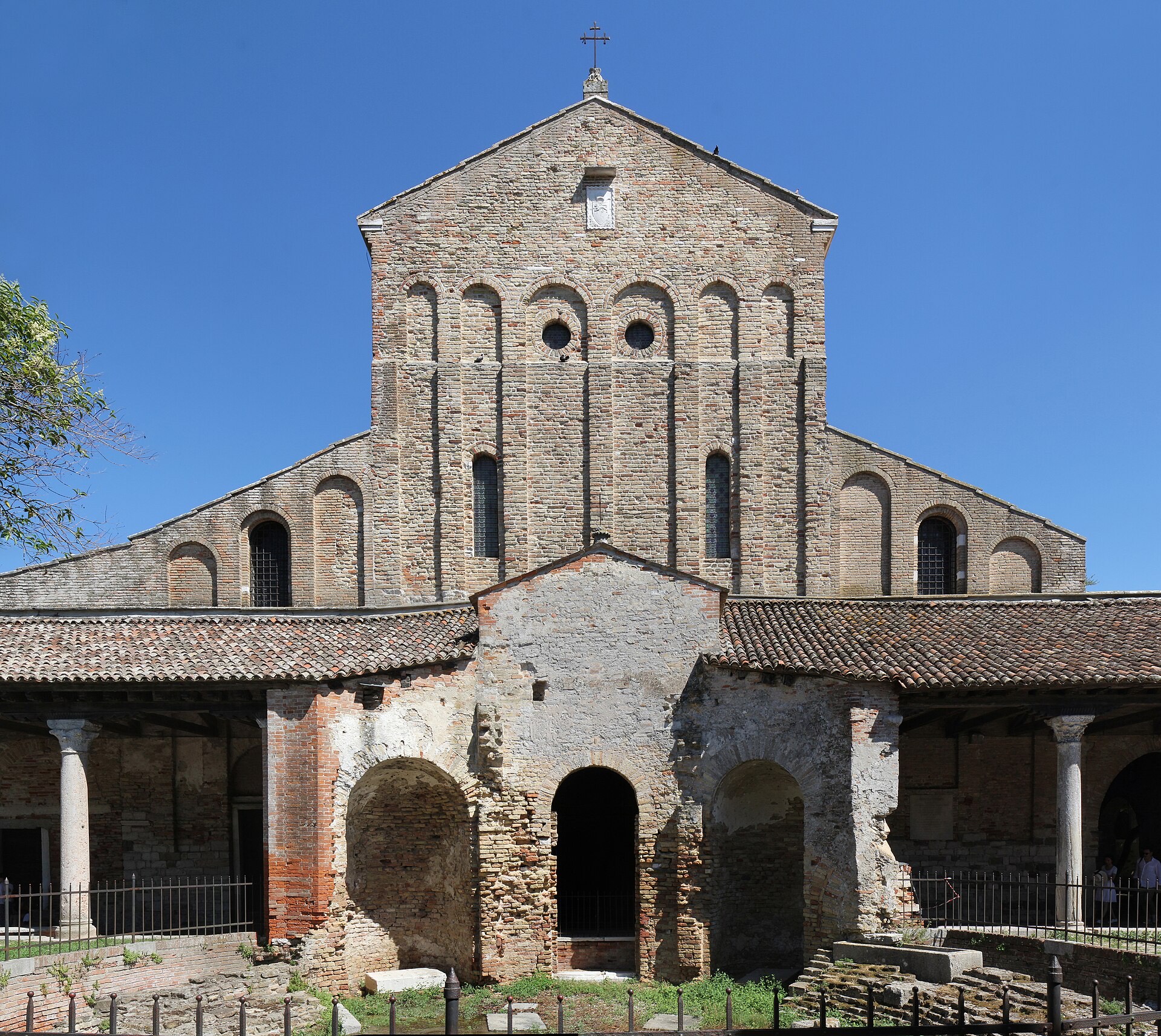
Torcello
Before Venice was Venice, Torcello was the settlement that mattered. A basilica from the 600s, a stone chair nobody sat in as a king, and a lot of grass. It is quiet because almost nobody lives here.
Lido
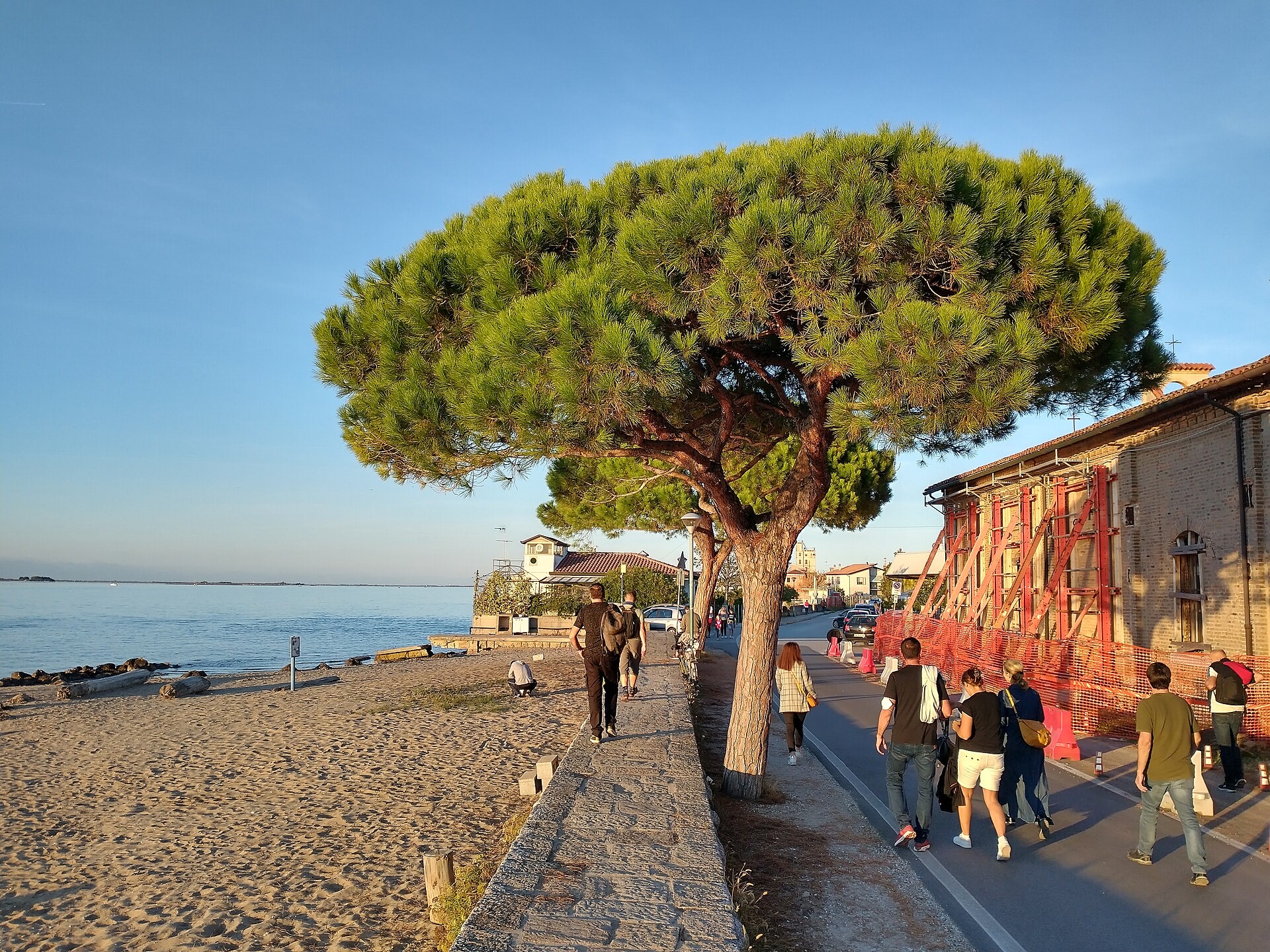
A sandbar with a road. Buses, bicycles, a beach facing the Adriatic. The Film Festival arrives in late summer and then leaves. The rest of the year it is a suburb with a ferry.
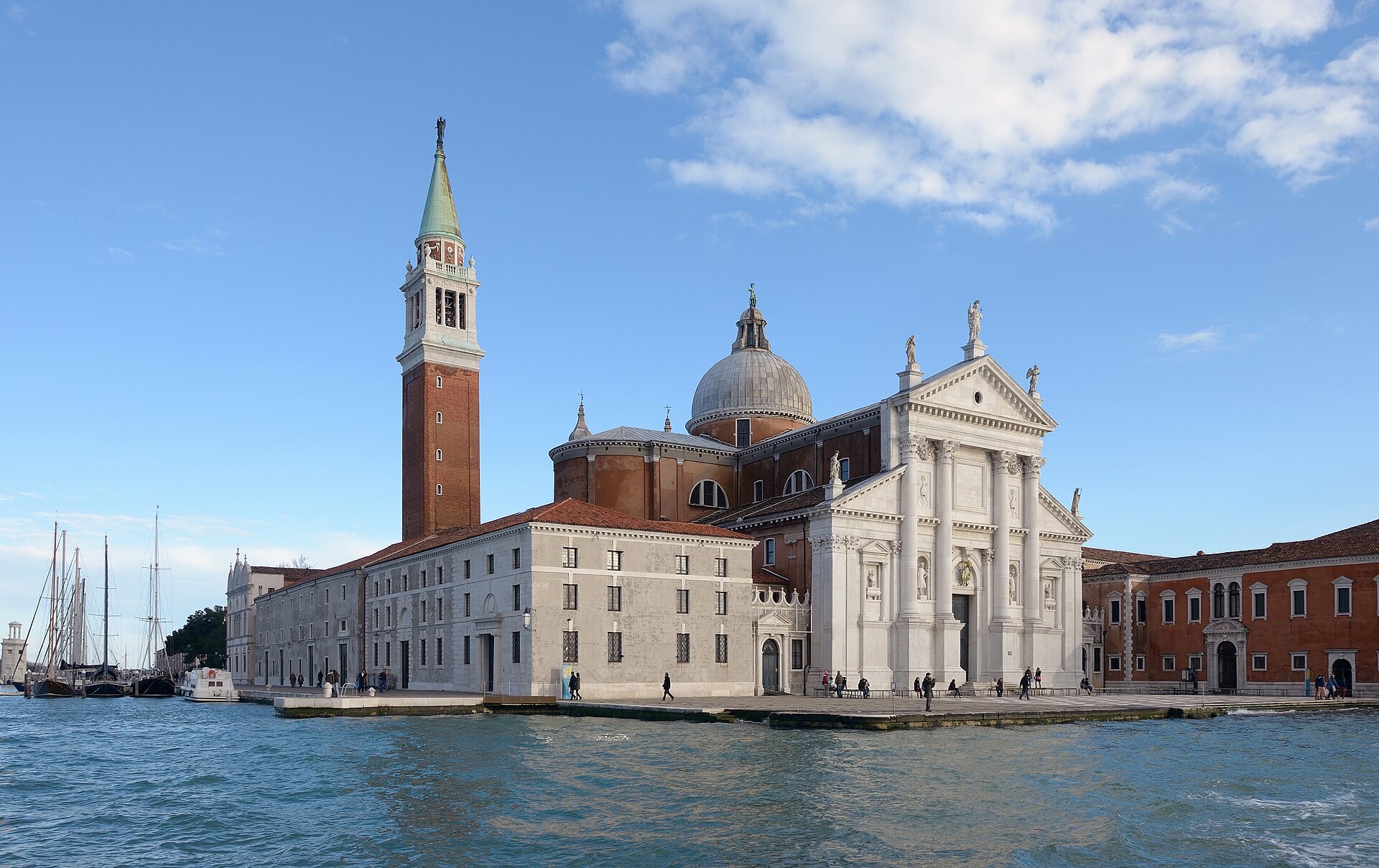
San Giorgio
The church across the basin from San Marco. Palladio, a campanile you can climb, a view that puts the piazza back in its place as one facade among many. The cemetery island of San Michele sits on the way out from Fondamente Nove. You pass it whether you meant to or not.