
Lagoon notebook · Venice
Bridges have steps. Signs lie a little.
Yellow nizioleti, a vaporetto for a bus, wood walkways when the tide is in.
- Calli
- Vaporetto
- Acqua alta
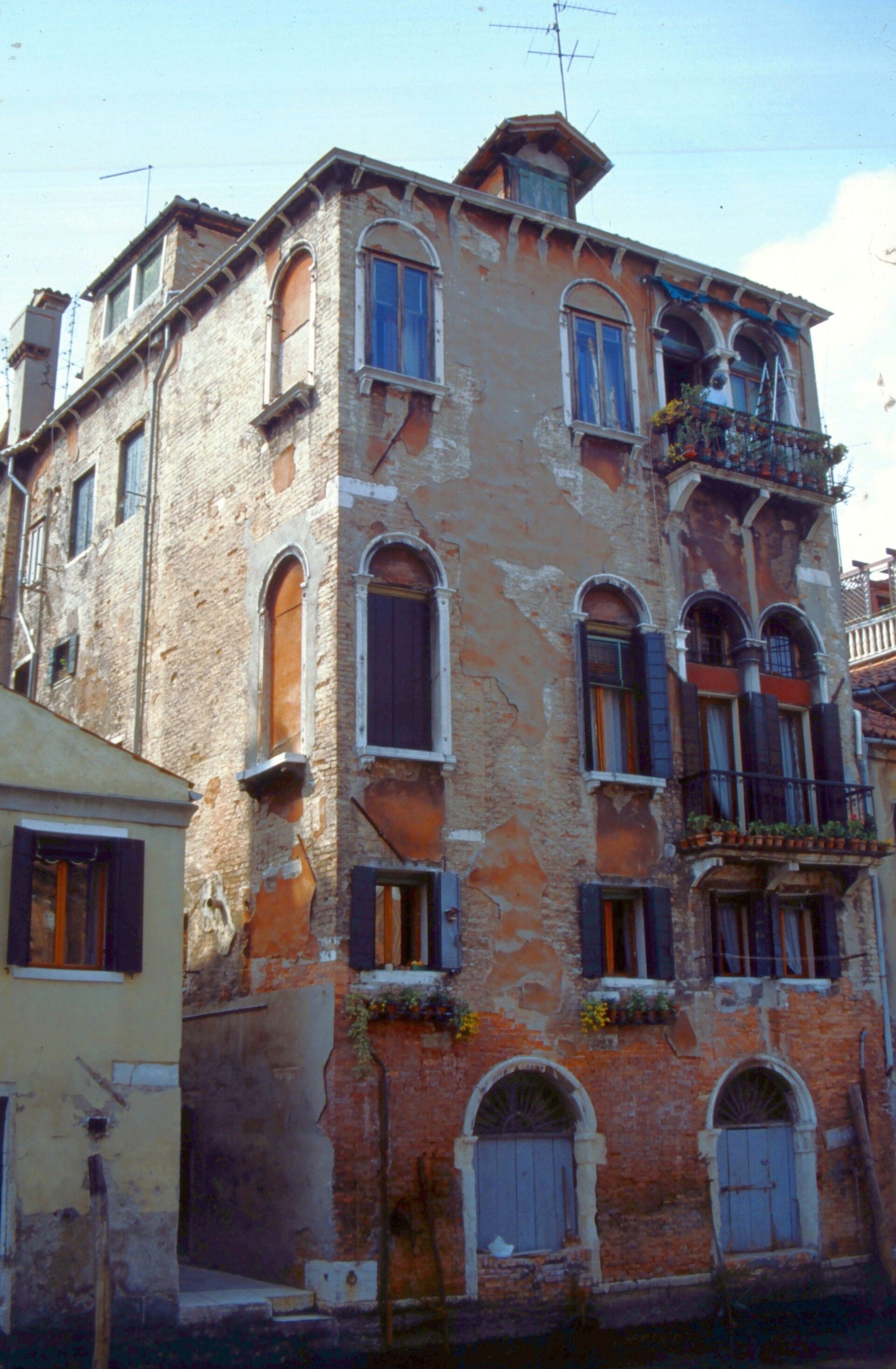
Walking is not a charming extra. It is the transport. Distances look short on the map and feel longer because every canal is a staircase. Count bridges, not metres.
Names on the walls
A calle is a street. A ramo is a short branch, often a dead end. A fondamenta is a quay. A campo is a square that was once grass. Yellow nizioleti name the street and often point to San Marco or Rialto. They are useful and slightly optimistic. When two signs disagree, follow water. House numbers restart in each sestiere. Do not hunt for a rising sequence across a bridge.
Boats as buses
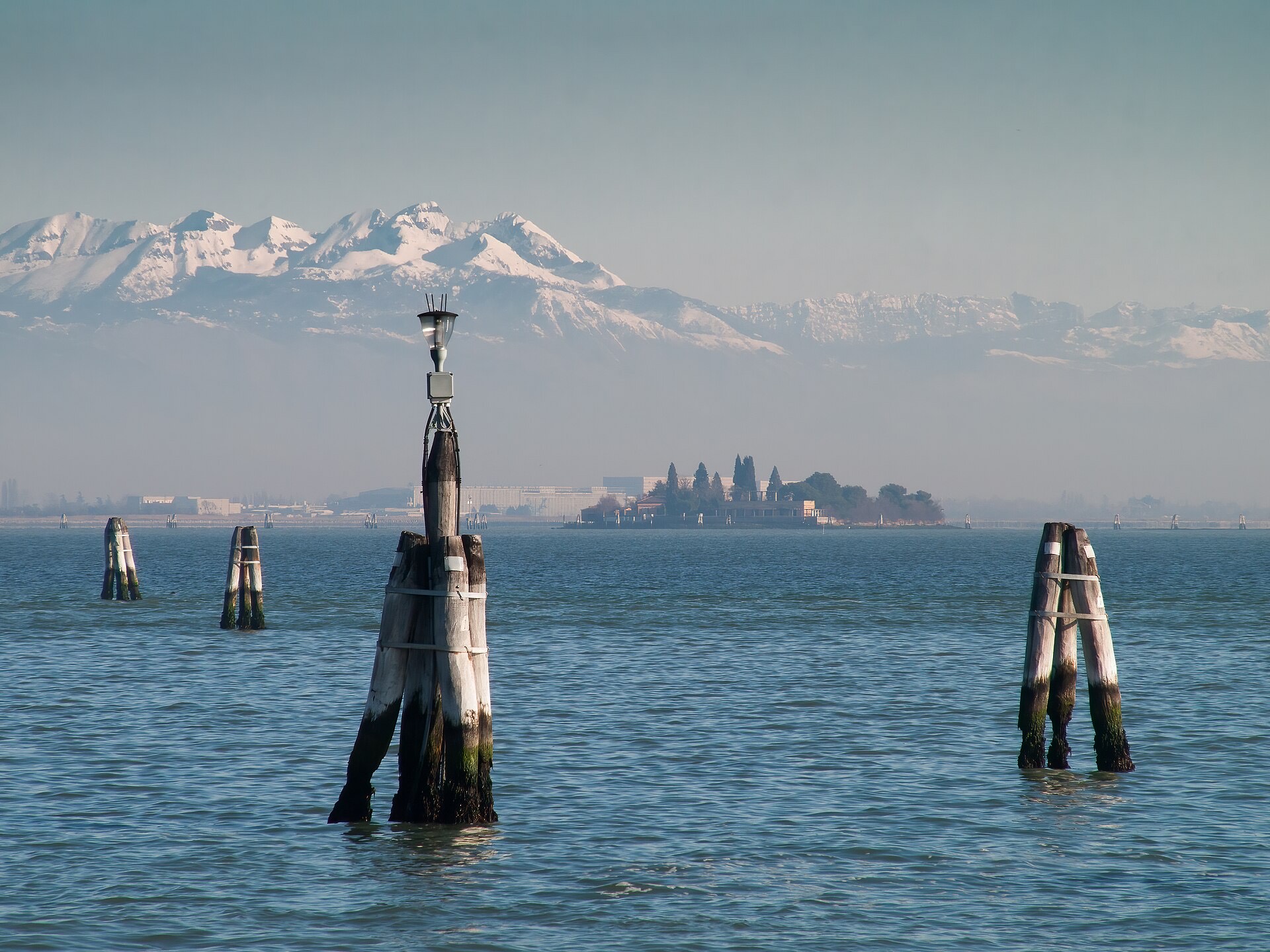
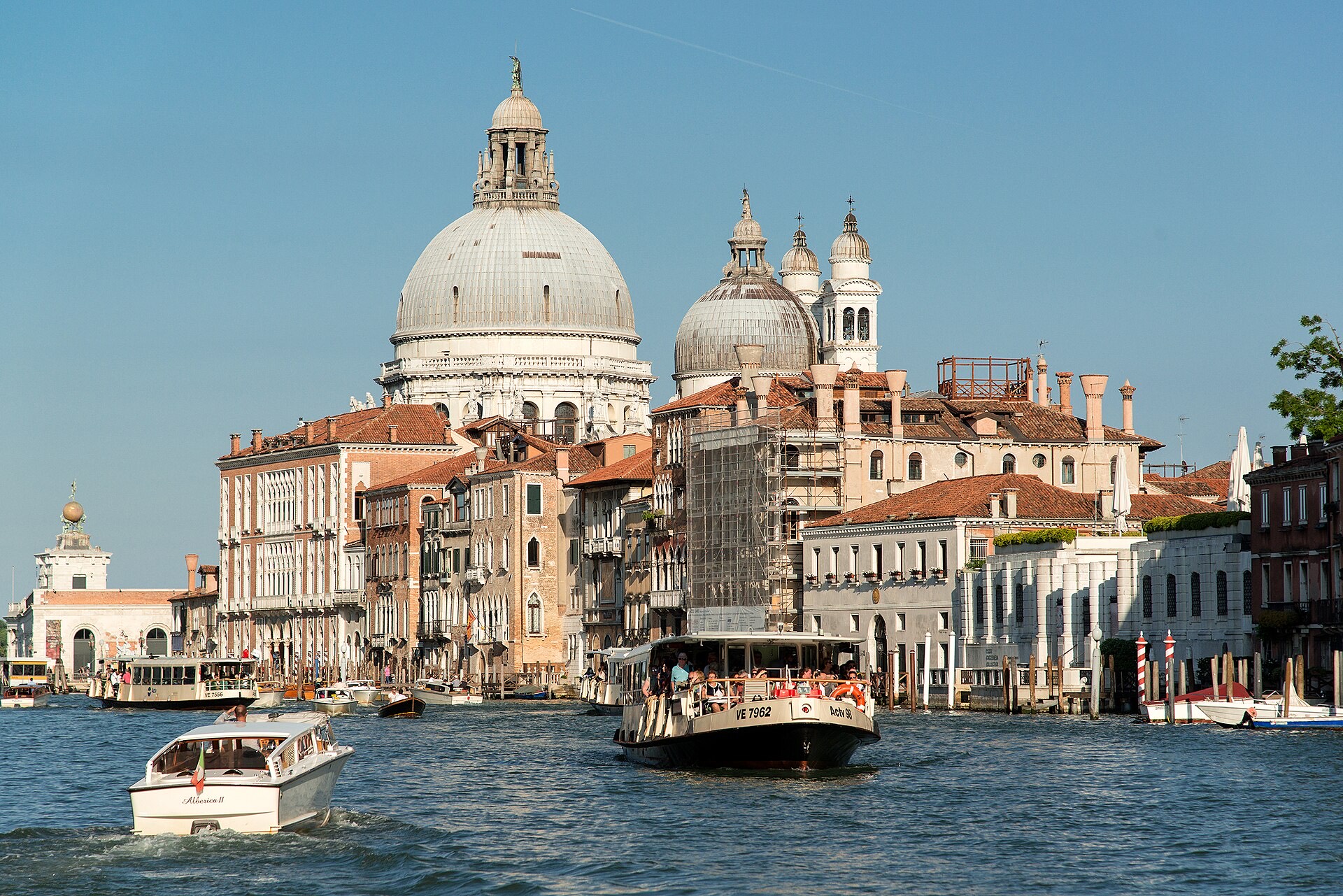
The vaporetto is the municipal bus. Lines have numbers. Stops have names you will learn whether you want to or not: Ferrovia, Rialto, San Zaccaria, Accademia. Line 1 crawls the Grand Canal. Line 2 skips more. We do not freeze a fare here because fares move. Validate before you board. A traghetto is a public gondola that crosses the Grand Canal at a few points. You stand. You pay on board.
High water
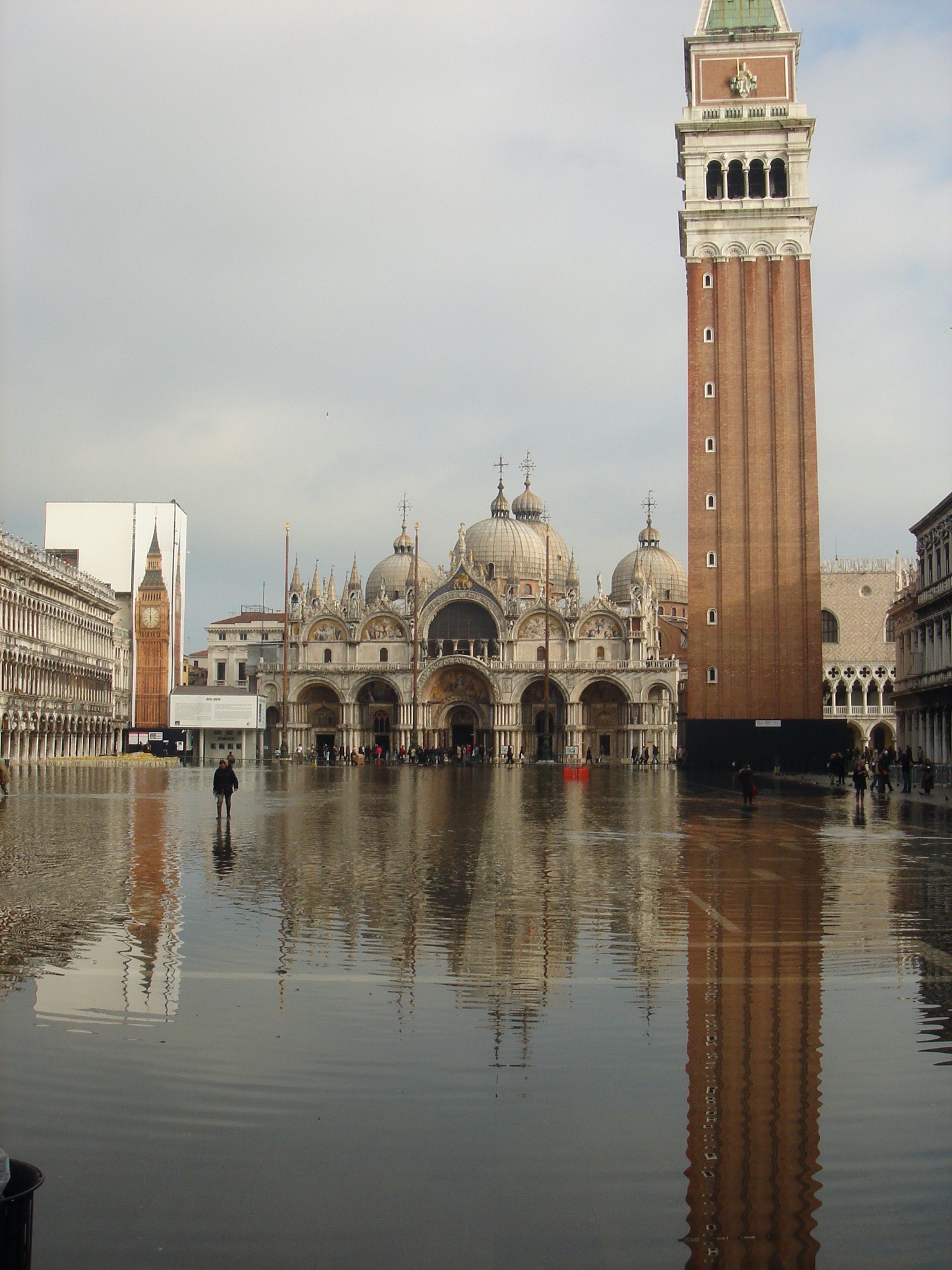
When acqua alta is forecast, wooden passerelle go down on the usual routes, especially around San Marco. Sirens sound. The city publishes centimetres above the gauge at Punta della Salute. Around 110 cm the piazza starts to flood. MOSE gates at the inlets now close for higher events. They have not made the square immune to a wet floor. Boots help. The city does not close. It just becomes slower.
Short answers
Do I need a vaporetto if I like walking?
Not for a short stay between San Marco and San Polo. Yes for the islands, the Giardini, or anywhere after your feet have done the bridges.
Are the streets signed in English?
No. Follow San Marco, Rialto, Ferrovia, Piazzale Roma. Those four words will carry you across the city.
What about bikes?
Not in the historic centre. The Lido and Mestre are the places with bikes. Venice is steps.