
Lagoon notebook · Venice
Six districts, not a theme park
Each sestiere has a different tempo. Learn that before you chase a postcard.
- Sestieri
- Calli
- Campi
Venice is not one street with a church at the end. It is six administrative pieces that still shape how people move. The names are old. The grain is still visible if you stay off the main funnel between the station and San Marco.
Cannaregio
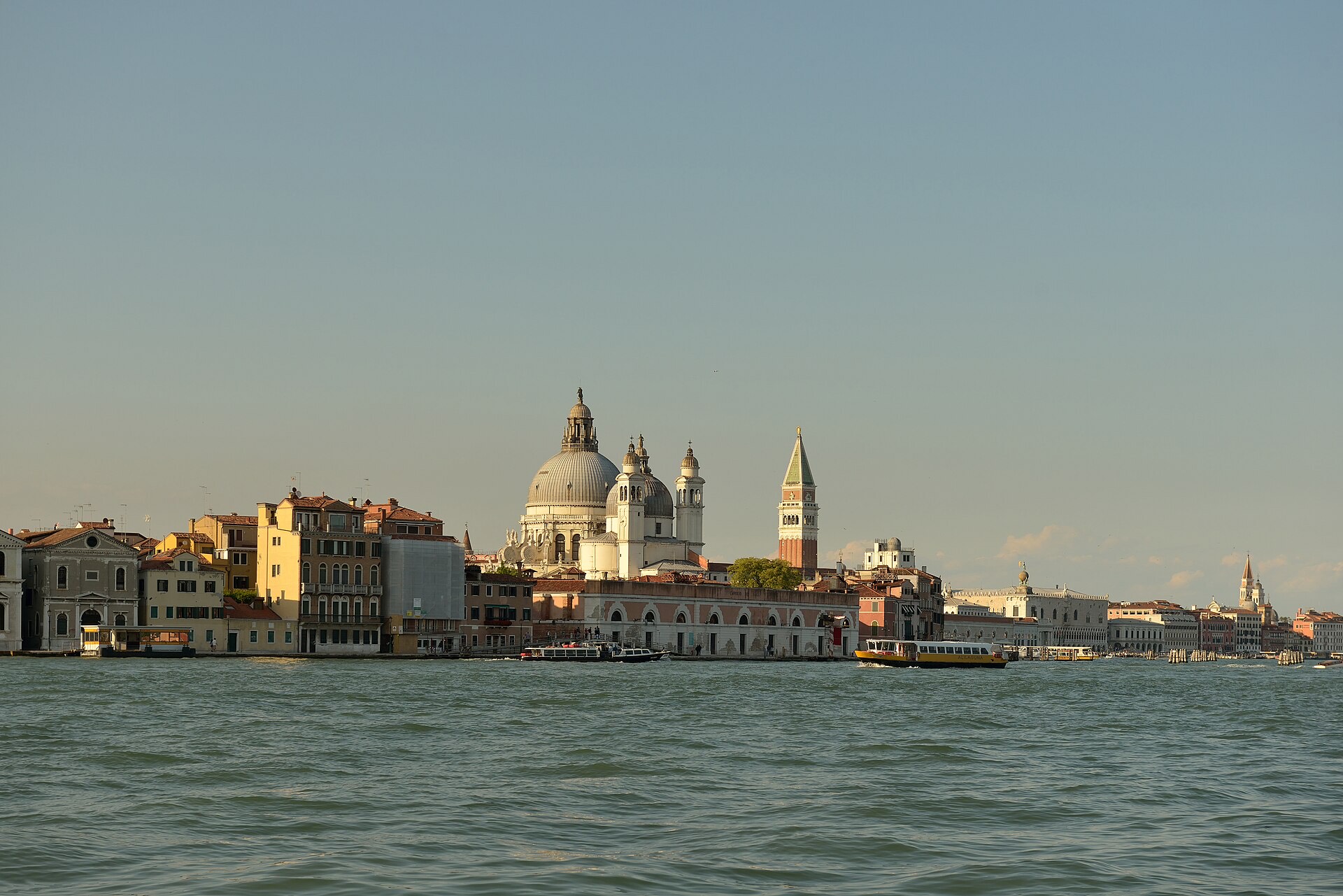
The long northern district. The Cannaregio canal is a working waterway. Palazzo Labia sits on the corner like a ship. Fondamente Nove is the open northern quay. The Ghetto is a dense island of courtyards, not a museum street.
Castello
East of San Marco the density of visitors drops. The Arsenale walls go on for blocks. Via Garibaldi is a real shopping street. The Biennale gardens open in summer like a second city of pavilions. San Pietro di Castello was the cathedral before San Marco took the title, which tells you how the power moved west.
Dorsoduro
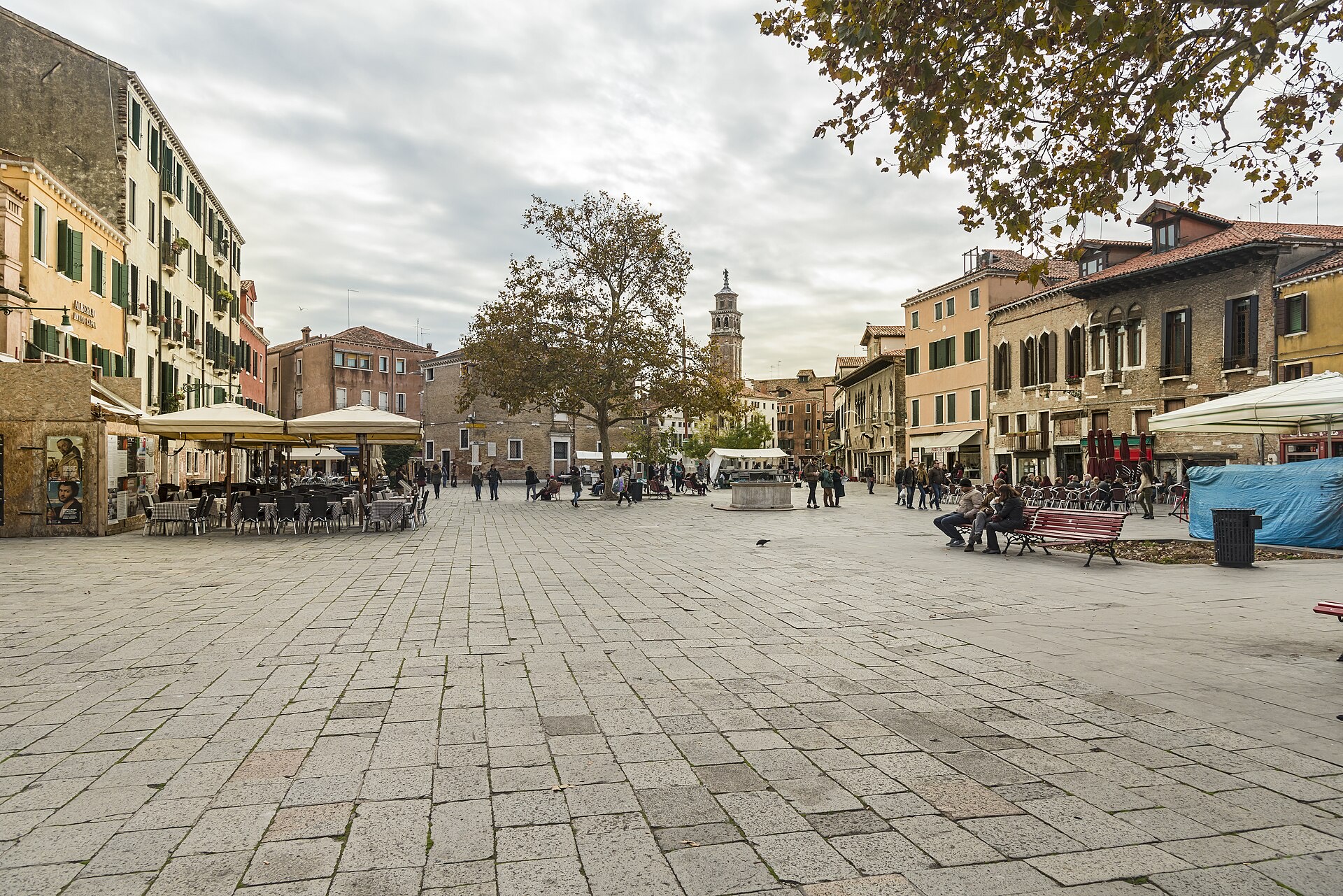
Campo Santa Margherita is the square people actually use. Students, market stalls, a church that does not perform. The Accademia and the Salute sit at the Grand Canal end. The Zattere faces Giudecca and takes the afternoon light.
San Marco
The smallest sestiere holds the civic symbols. Piazza, basilica, campanile, palace, the two columns on the Molo. It also floods first. The piazza page takes the square apart.
San Polo
Compact and commercial. The Rialto Bridge lands here. Fruit stalls and the Pescaria still work as a morning market. The Frari is a brick barn with Titian's Assumption inside. Campo San Polo is the largest square after San Marco.
Santa Croce
This is where the mainland touches the city. Santa Lucia station, Piazzale Roma, the People Mover, the first hotels. It is honest about arrival. From here you walk into San Polo in a few minutes if you ignore the signs that send everyone the long way.